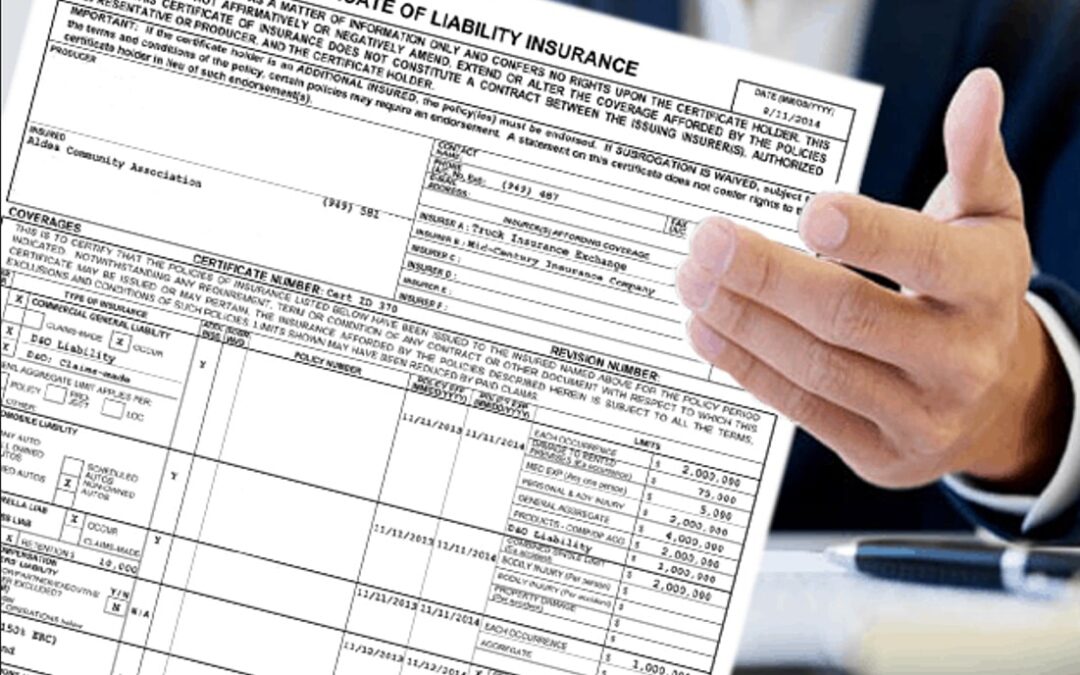

The moving process is stressful enough without worrying about your belongings getting lost or damaged. What many people call “moving insurance” from the moving company is actually a valuation, which determines how much the mover must pay if your items are lost or damaged during transit.
On the other hand, moving insurance from third-party companies also covers your belongings if they’re lost or damaged, but it usually extends protection to more situations like theft, fire, or accidents during transit. Valuation coverage works well if your items are damaged directly by the movers, while moving insurance is a better choice if you own high-value belongings and want extra protection against unexpected events that are outside the movers’ control.
What is Value Protection?
Under federal law, the Federal Motor Carrier Safety Administration (FMCSA) requires all interstate movers to offer two levels of liability coverage: Released Value Protection and Full Value Protection.
Released value protection (basic coverage):
- Included in the cost of your move for free
- Covers $0.60 per pound per item
- Must be requested directly from the movers
That means if the movers break a chair that weighs 5 pounds, you’ll only be getting $3 back, which is better than nothing, but not great if you have a lot of expensive items. While it might cost you more, full value protection offers better coverage.
Comparison of Coverage Options
| Feature | Released Value Protection | Full Value Protection | Third-Party Moving Insurance |
|---|---|---|---|
| Cost | ✅ Free (included) | 💲 Around 1% of declared value | 💲 1–5% of declared value |
| Coverage Type | Basic liability only | Repair, replacement, or cash settlement | Custom coverage for total loss or damage |
| Payout Value | $0.60 per lb per item | Up to the current market value | Declared value limit (policy-specific) |
| Fire / Theft Coverage | ❌ No | ❌ No | ✅ Yes |
| Natural Disaster Coverage | ❌ No | ❌ No | ✅ Yes |
| Covers Mover Negligence | ✅ Yes | ✅ Yes | ✅ Yes |
| Who Regulates | FMCSA (interstate only) | FMCSA (interstate only) | Private insurer/state insurance board |
| Ideal For | Budget movers, low-value items | Standard or moderate-value moves | High-value or long-distance moves |
Full value protection (full coverage):
- Cost varies by moving company
- Covers repair, replacement, or a cash settlement equal to the item’s current market value
Movers can limit their liability for “extraordinary value” items (worth over $100 per pound) unless you list them in writing on your shipment documents
According to Move Advisor, most movers charge around 1% of your shipment’s total declared value for full-value protection. So if your belongings are worth $30,000, you can expect to pay $300 for full coverage. And remember, always ask your moving company for a written statement outlining their full-value protection limits and procedures.
Also, note that the FMCSA only regulates interstate movers. For local moves, check your state’s consumer protection agency or department of transportation for local rules.
What is Moving Insurance?
Moving insurance, on the other hand, is usually purchased through a third-party insurance company. Unlike valuation coverage, moving insurance requires you to pay a premium for a specific amount of financial coverage. Generally, the higher the premium, the better the coverage, so you could end up with very little money back for the cheaper options or get the full value. Some policies even include services like damage repair or replacement for specialty items. The biggest benefit is that it covers a wider range of risks, such as fire, theft, natural disasters, and truck accidents, which aren’t covered under the mover’s valuation.
Insurance Information Institute lists several different types of insurance you can purchase:
- Trip transit insurance – Covers theft, disappearance, or fire while in transit or storage (but not breakage).
- Special perils contents coverage – Covers breakage for most household goods, except fragile items.
- Floater – Protects high-value belongings like jewelry, art, or collectibles.
- Car shipping insurance – Required by law for auto transporters; confirm coverage levels with your carrier.
- Storage insurance – Covers belongings stored off-site; ask both your moving and storage companies about what’s included.
According to Forbes, third-party moving insurance typically costs between 1% and 5% of your shipment’s declared value, depending on the deductible and risk level.
When comparing policies, make sure to:
- Assess the value of your belongings and estimate replacement costs.
- Document your inventory with photos or videos before moving.
- Understand the claims process and timeline.
- Review deductibles and exclusions carefully.
How Do I File a Claim?
Before choosing an option, make sure to read the policy and fine print to understand what is covered, especially as it pertains to how items were packed. Some policies might exclude items you packed yourself. In that case, you can always hire the movers for partial packing service of your more fragile items to ensure these are covered under valuation and/or your insurance.
Top Claim Reasons in Moving Damage Reports
| Rank | Cause of Damage | % of Claims Reported | Covered Under Valuation? | Covered Under Insurance? |
|---|---|---|---|---|
| 1 | Furniture scratches & dents | 32% | ✅ Yes | ✅ Yes |
| 2 | Broken electronics | 21% | ⚠️ Partial | ✅ Yes |
| 3 | Lost boxes/items | 18% | ✅ Yes | ✅ Yes |
| 4 | Water damage | 12% | ❌ No | ✅ Yes |
| 5 | Fire or theft | 9% | ❌ No | ✅ Yes |
| 6 | Glass or fragile item breakage | 8% | ⚠️ Limited | ✅ Yes |
If you choose valuation coverage, ask your mover about their claim process upfront. FMCSA requires all interstate movers to provide written information about their dispute settlement program. The Surface Transportation Board provides the following minimum requirements to make a claim:
- File a claim within nine months of delivery
- Be made in writing (or submitted electronically)
- Identify the shipment (customer name, address, date, and/or bill of lading)
- Contain an assertion that the moving company is liable for the loss
- Ask for compensation for a specific dollar amount
Always check with your moving company for specific policies, as some have much shorter deadlines, from a few days to 30 days after delivery. It’s always best to file a claim as soon as you discover damage to meet deadlines and to have the freshest evidence.
If you are unhappy with the results of the claim, you can request arbitration for claims under $10,000 or file a complaint directly with the FMCSA online complaint tool
Do I need Moving Insurance?
Before paying for extra coverage, check our homeowner’s or renter’s insurance first. According to Allstate, most standard policies cover personal belongings while moving, but only if the loss is related to a specific peril listed in your policy, like a fire, theft, or accident.
For example, if your moving truck is in an accident and your furniture is damaged, your policy might cover the loss. But if your movers accidentally drop your TV or scratch your dining table, that probably won’t be covered. In that case, moving insurance or Full Value Protection can help cover those damages.
Consider purchasing moving insurance or full-value protection if:
- You’re moving a long distance or across states
- You have high-value or fragile items like art, electronics, or antiques
- You want peace of mind against accidents, thefts, or fire during transit
Is Moving Insurance Right for You?
The last thing you want to deal with when moving is worrying about your items getting damaged or lost. If you have extra room in your budget, it might be worth the peace of mind to purchase either full valuation or moving insurance to ensure your items are protected. Always document your belongings, understand your coverage, and read the fine print before making your choice.
FAQ
What happens if the movers don’t respond to my claims?
Escalate the matter through official channels by filing a complaint through the FMCSA complaint tool for interstate movers or your state’s Attorney General and with the Better Business Bureau.
How long does it take to receive compensation for damages?
It can take a few weeks to several months depending on the complexity of the claim and the information you provide.
Is it worth it to get moving insurance?
If you are moving interstate or have a lot of high value items, moving insurance might be worth the cost. However, it might not be worth the cost if you are moving locally. It depends on your budget and your needs.
How much does mover insurance cost?
The cost varies based on the value of your items and the deductible. A higher deductible is cheaper, but you’ll end up paying more out-of-pocket if something gets damaged.
How do I insure things if I am packing myself?
Many moving insurance companies will not cover items that you pack yourself unless you can prove that the movers were handling your items improperly or were negligent. You can hire movers to pack specific items for you in order to make the most of your coverage.
Is moving insurance included in my moving quote?
If you opted for full value protection, then it will be included in your quote. Still, read it over carefully before signing to make sure nothing is missing.